
Technical
First touch, striking, receiving under pressure, and position-specific work — including futsal-informed coaching for close control in tight space.
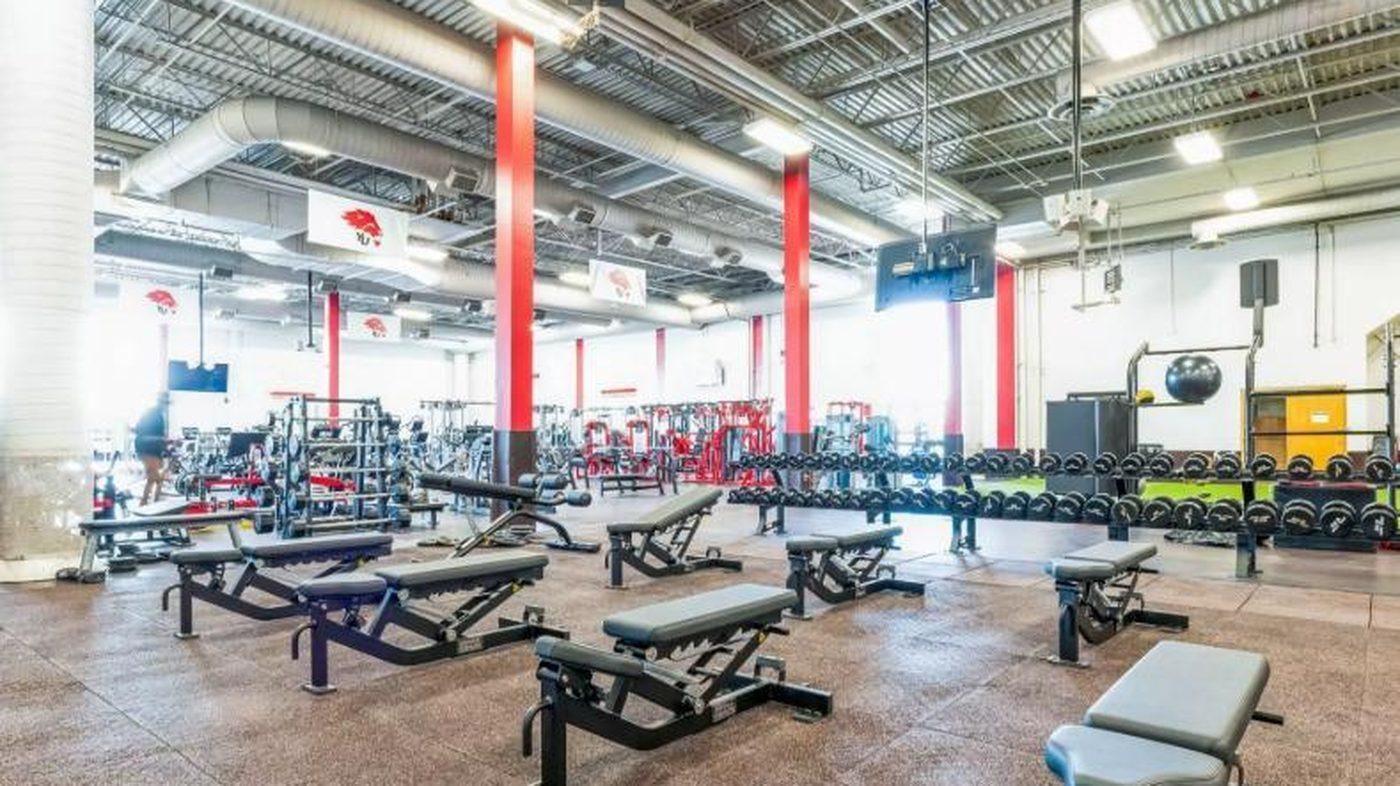
Technical work, tactical work, and a strength and conditioning program run by an Olympic gold medallist — planned by age and stage across a 48-week year.
Inside the sessions
First touch, striking, receiving under pressure, and position-specific work — including futsal-informed coaching for close control in tight space.
Individual and team development in both phases of the game, possession and non-possession, worked on the field and reviewed on video.
Strength, speed, agility and durability, programmed by age and stage. What a 14-year-old is asked to lift is not what an 18-year-old is asked to lift.
Specialist goalkeeper coaching led by Jon Franco, rather than keepers training alongside outfield sessions.
Physical and tactical work by position — striker, flank, central midfield, centre back and goalkeeper are not prepared the same way.
Competing when tired, handling a bad half, and performing on the weekend a university coach happens to be watching.
The week
This is an example of how a training week is laid out. Days and times vary through the year.
| Day | Example training time |
|---|---|
| Tuesday | 6:30–9:00 p.m. |
| Thursday | 6:30–9:00 p.m. |
| Saturday | 9:00–11:00 a.m. |
| Sunday | 9:00–11:00 a.m. |
For scheduling confirmation and training-location details, please contact us.
Who runs the sessions
Blizzard brings in people who have worked at national and professional level rather than asking one coach to cover everything.
Joe Parolini sets the technical and tactical program. Mirko De Francesco is Club Technical Director. Mark McKoy, an Olympic gold medallist, writes the strength and conditioning work. Jon Franco leads goalkeeping. Davide Masciantinio and Chris Wright coach technical sessions.
Nikki Matarazzo, Lorenzo Redwood and Jason Mesa contribute subject to availability and their other commitments, so not every specialist is at every session.
The program asks for sustained attendance across a 48-week year. It is not a guarantee of a scholarship, a roster place or a particular level. Those decisions belong to the institutions.
Every university route needs the grades as well as the game, and players may take part in school sports. Talk to Joe about how the training week fits around school, exams and your player’s own circumstances.
Next step
The work exists so that a player is ready when a university coach is watching. That is what the showcases and the March tour are for.